Telling the story of the island's Royal Heritage, Colonial History, and Modern Dedication to Biodiversity. Today, these lush sanctuaries serve as vital hubs for plant conservation, scientific research, and immersive eco-tourism.
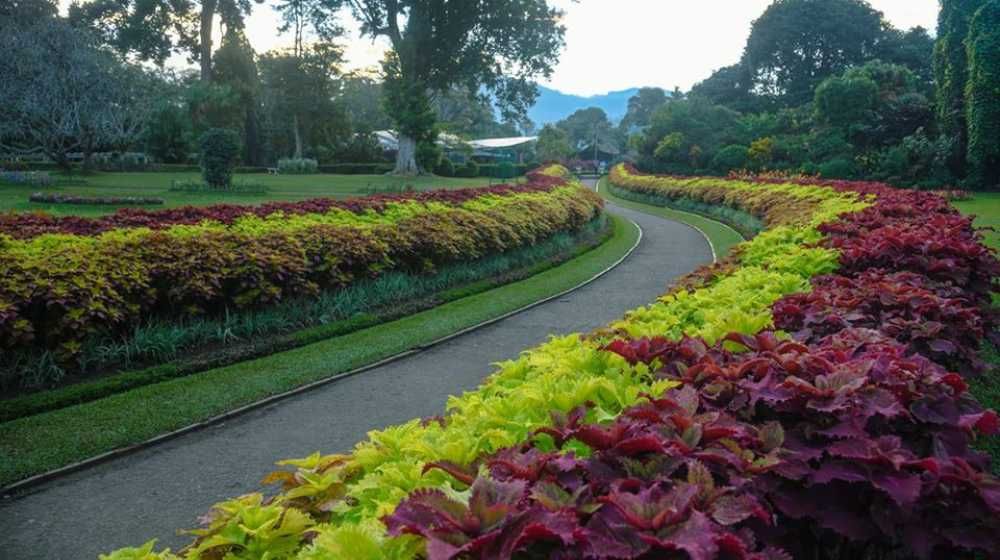
Kandy
Central Province
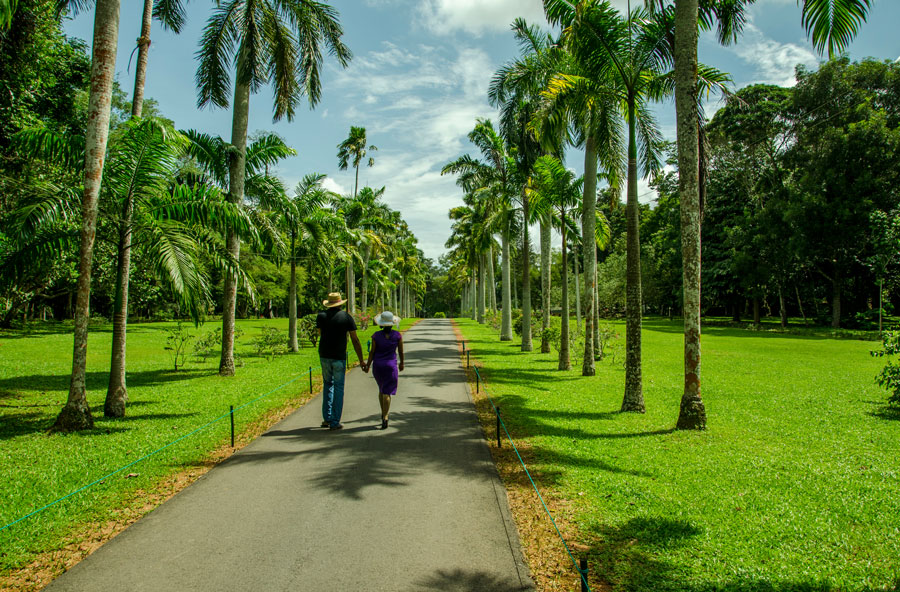
Located beside the Mahaweli River in Kandy, this is the most famous garden in Sri Lanka housing over 4,000 species. It serves as a major centre for botanical research and tourism.
A cool-climate garden specialized in montane and sub-montane flora. It maintains a strong link to endemic highland plants and offers a distinct experience from the tropical lowlands.
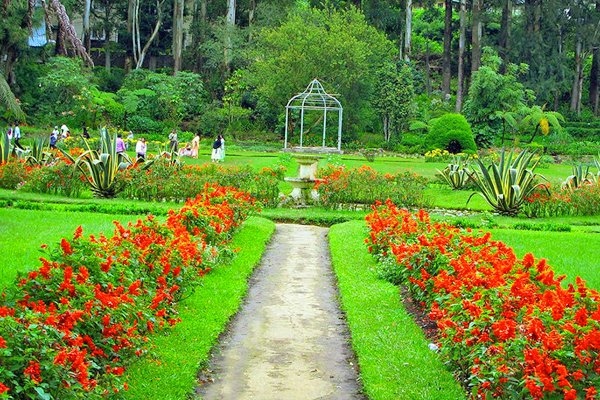
Nuwara Eliya
Central Highlands
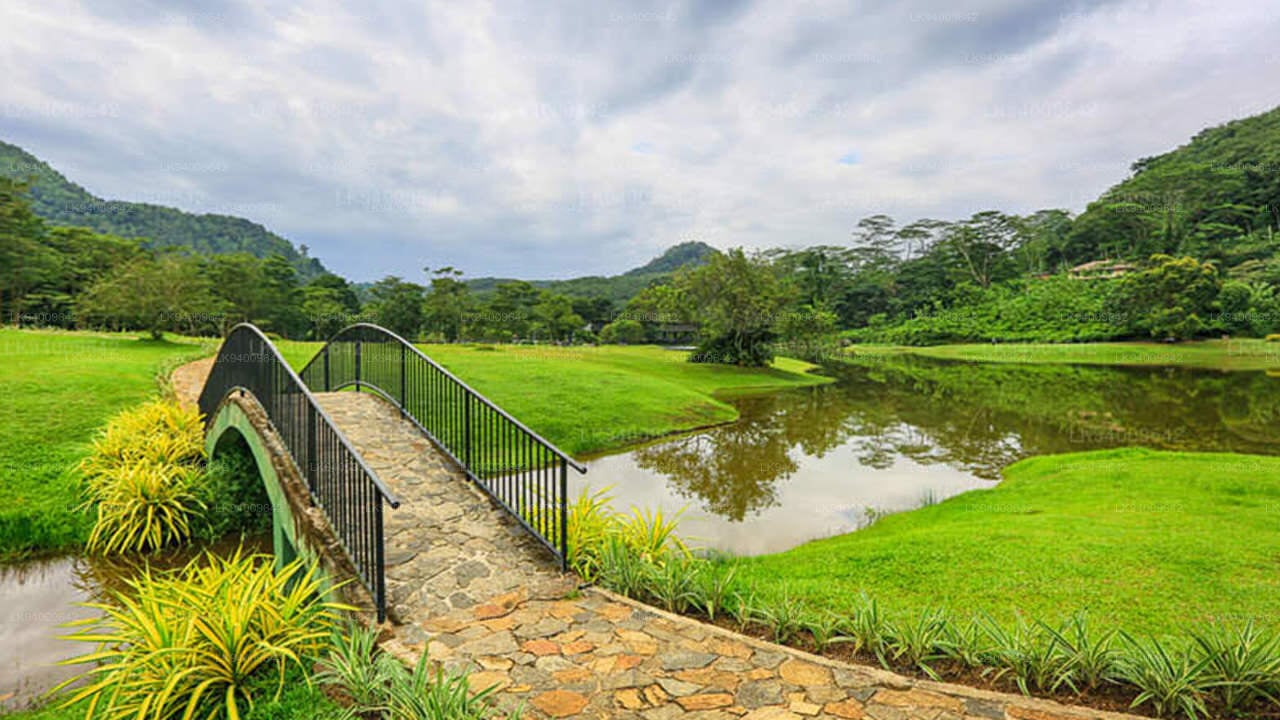
Avissawella
Wet Zone
Developed during the British Colonial period, this garden holds historical significance as the site where the first rubber tree (*Hevea brasiliensis*) was planted in 1876. It features a warm, humid wet zone climate.
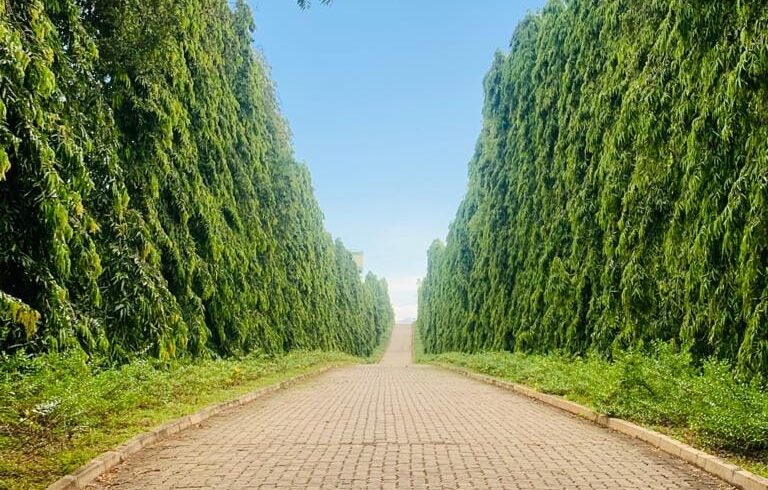
A modern addition designed in a natural forest setting, specifically to conserve threatened lowland plants. It focuses heavily on dry zone rainforest species and sustainable landscape design.
Hambantota
Dry Zone
Gampaha
Low Country
Dedicated to the unique vegetation of the dry and wet transition zones, this garden conserves drought-resistant and rare plants. It plays a pivotal role in supporting regional research and ecological restoration.